About Aluminium UBC SCRAP
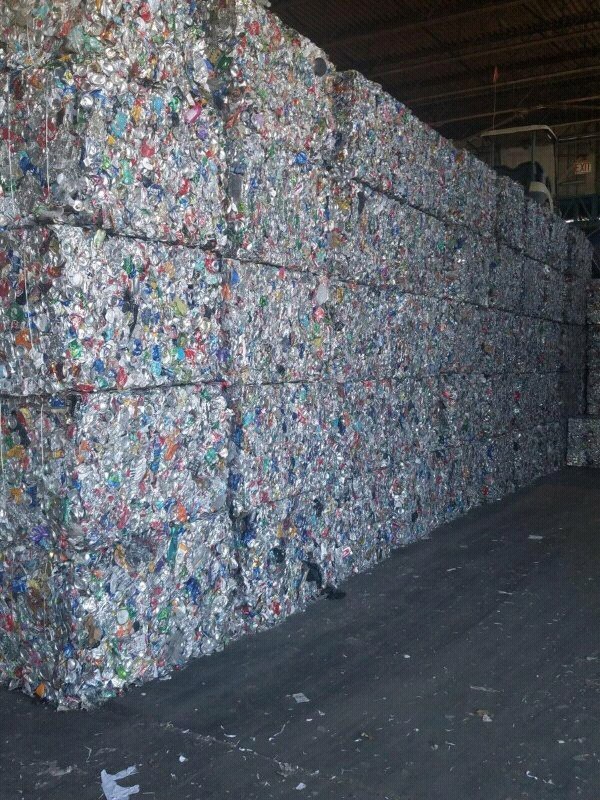
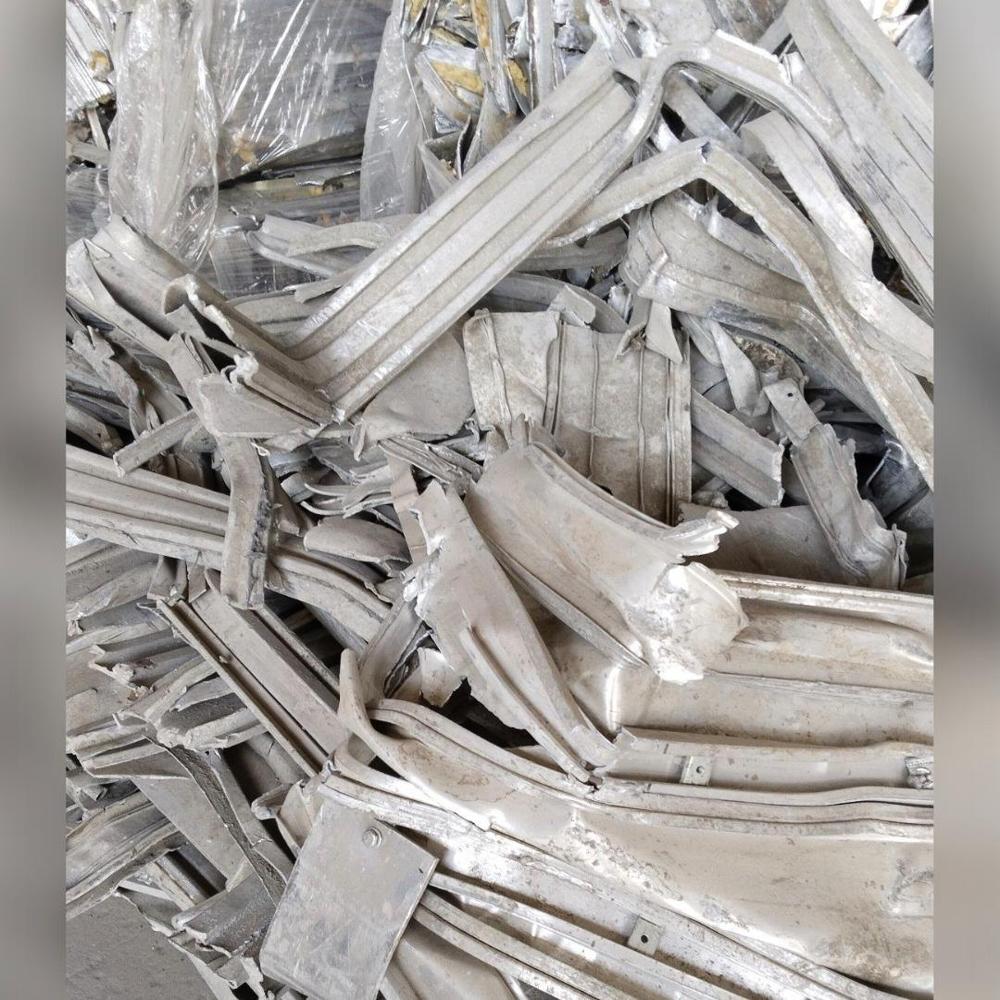
Aluminum UBC (used beverage can) scrap is a highly sought-after material that is used in a wide range of industries. It is made up of used aluminum beverage cans, which are collected, sorted, and processed to create a high-quality scrap material that can be used in a variety of applications.
Aluminum UBC scrap is an ideal material for recycling because aluminum is 100% recyclable and can be recycled infinitely without losing its properties. This scrap material can be used to create new aluminum products, including new beverage cans, automotive parts, construction materials, and many other applications.
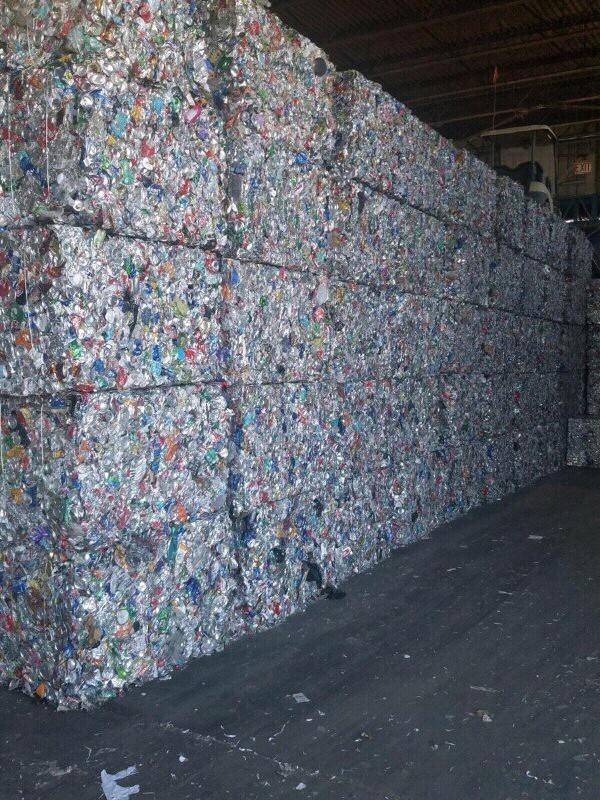
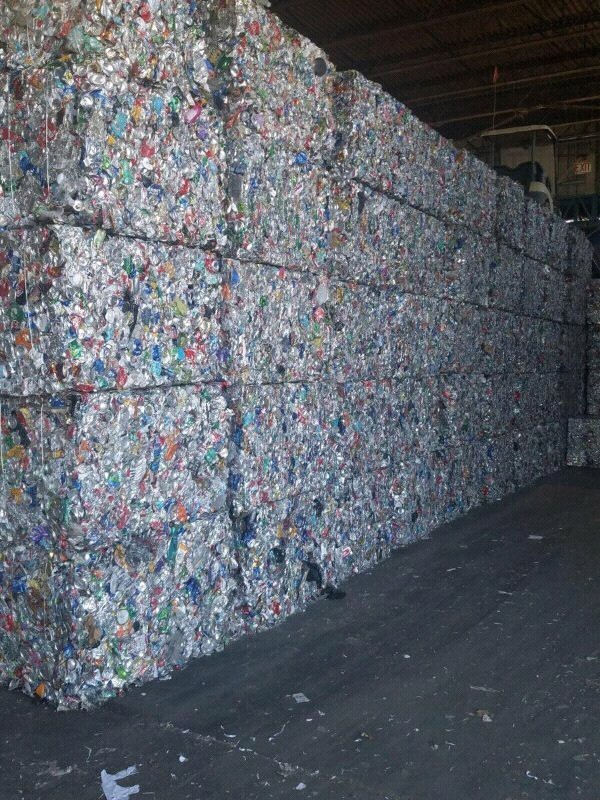
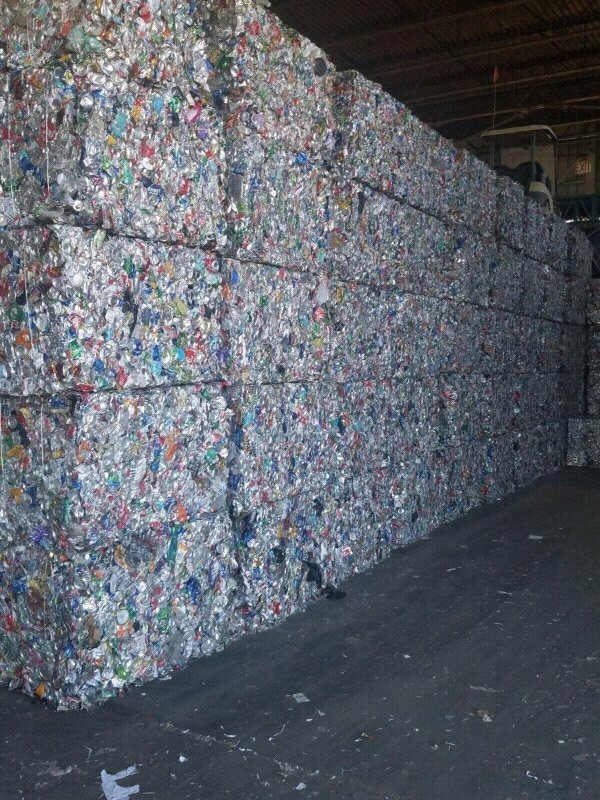
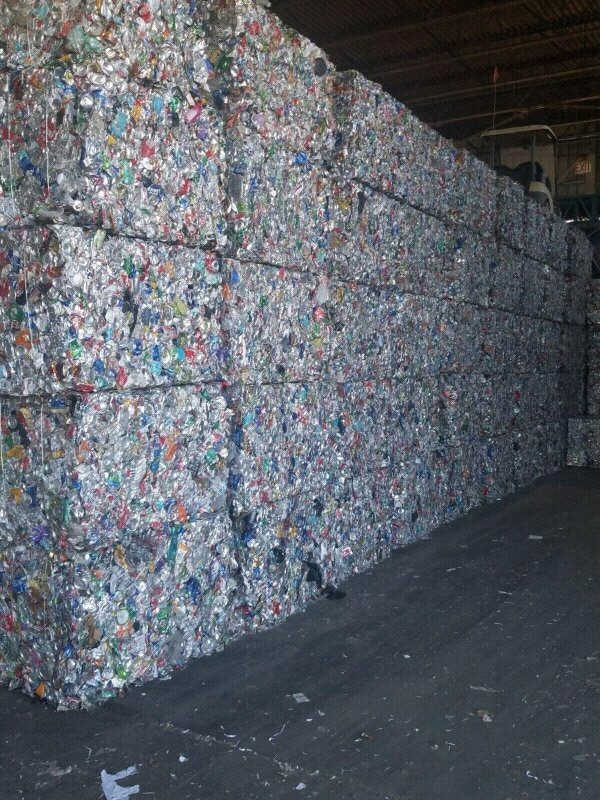
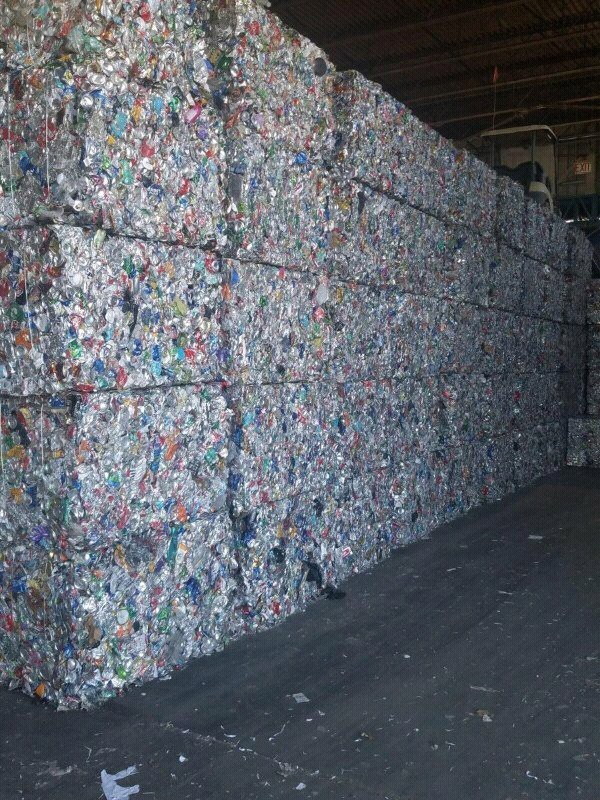
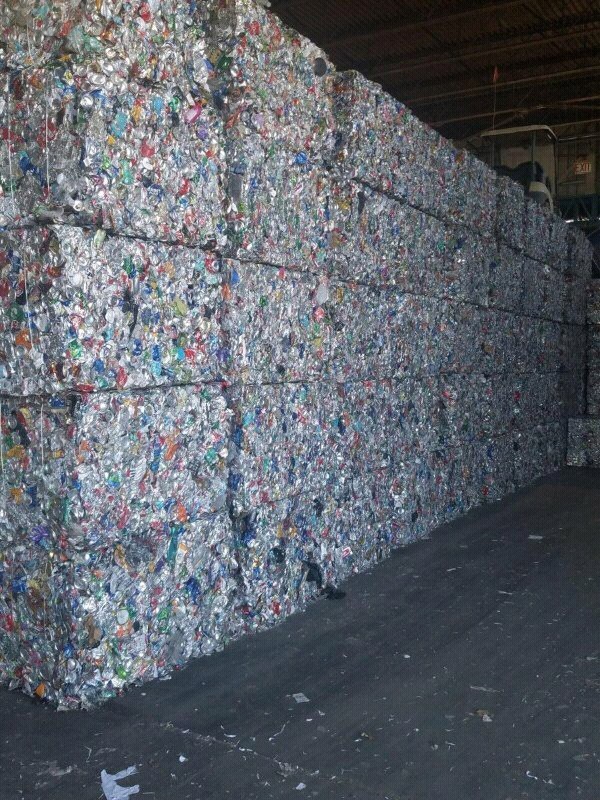
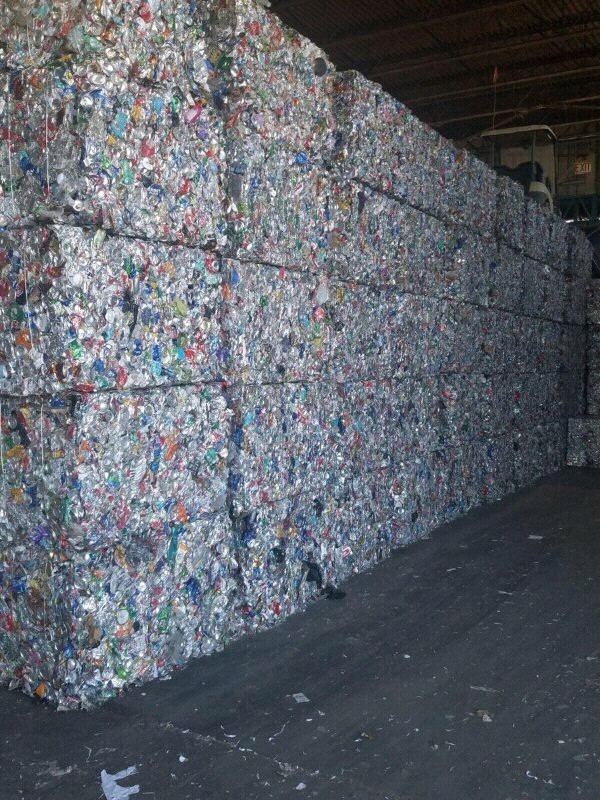
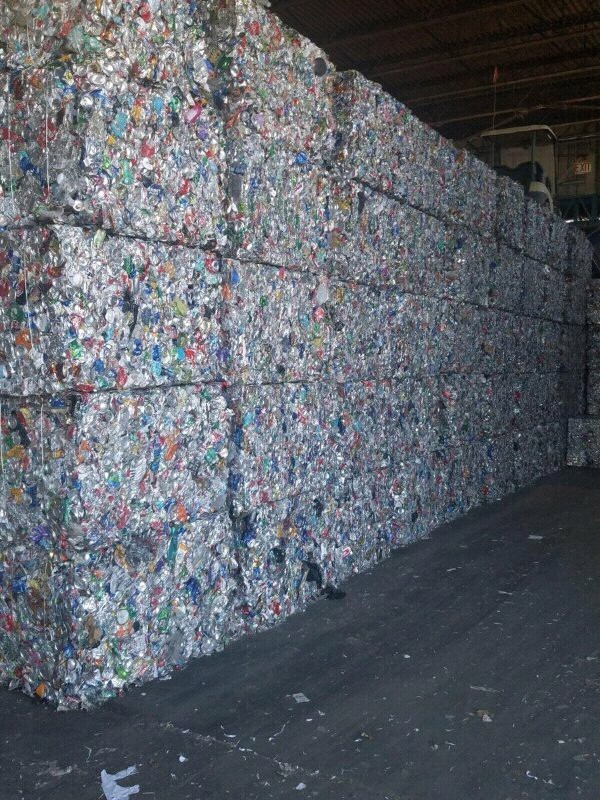
High Metal Yield & PurityAluminium UBC scrap delivers a metal content of 95%-98%, resulting in high yields during re-melting processes for secondary aluminium production. The compressed bales offer a density of 240-350 kg/m3, maximizing space and shipment efficiency. These properties benefit both exporters and manufacturers looking for consistent and reliable material for alloy production.
Minimal Contamination for Efficient RecyclingStrictly adhering to ISRI guidelines, UBC scrap excludes tin cans, glass, excessive plastic, or liquids. Bales may contain trace impurities like coatings or plastic liners but maintain a low moisture level of less than 2%. This ensures the scrap meets the requirements of smelters and recyclers, streamlining processing and reducing post-sorting labor.
Safe Storage & LongevityUBC scrap is best stored in a dry, covered location to preserve its quality and prevent oxidation. Thanks to its indefinite shelf life under proper conditions, bulk buyers and recyclers can manage inventory flexibly, confident in long-term material stability before processing.
FAQ's of Aluminium UBC SCRAP:
Q: How should Aluminium UBC scrap bales be stored to prevent quality degradation?
A: UBC scrap bales should be kept in a dry, covered area, away from direct exposure to moisture. Proper storage prevents oxidation and maintains the material's quality for indefinite periods.
Q: What is the typical composition and level of purity for Aluminium UBC scrap?
A: Aluminium UBC scrap typically contains 95%-98% aluminium, with trace amounts of coatings, plastic liners, or minor impurities. The predominant alloy types are 3004 and 3104, commonly used in beverage cans.
Q: When is UBC scrap most suitable for recycling or manufacturing applications?
A: UBC scrap is ready for recycling or remelting as soon as it is received, provided it is stored properly and handled according to ISRI guidelines regarding contamination and moisture content.
Q: Where is Aluminium UBC scrap primarily utilized?
A: Aluminium UBC scrap is primarily used in secondary aluminium production facilities and alloy manufacturing plants. Exporters and traders also supply it to recyclers worldwide for metal recovery.
Q: What is the recycling process for Aluminium UBC scrap bales?
A: UBC scrap bales are sorted, cleaned of excessive contaminants, and then re-melted in furnaces to recover aluminium. This process yields high-quality secondary aluminium for use in new products.
Q: Which benefits does Aluminium UBC scrap offer to manufacturers and recyclers?
A: Manufacturers and recyclers benefit from UBC scrap's high recyclability, substantial metal yield, lightweight nature, and compliance with international specifications. This reduces resource costs and environmental impact.
Q: How can the volume and size of UBC scrap bales be determined?
A: The volume and size of a UBC bale depend on the supplier but typically measure around 40 x 60 x 80 cm and weigh 25-35 kg, ensuring convenient handling and transport.




 Send Inquiry


 Send Inquiry
